

 Herzlich willkommen auf den Seiten des Sonderforschungsbereichs 933 'Materiale Textkulturen' der Deutschen Forschungsgemeinschaft. Erfahren Sie mehr über unser Forschungsprogramm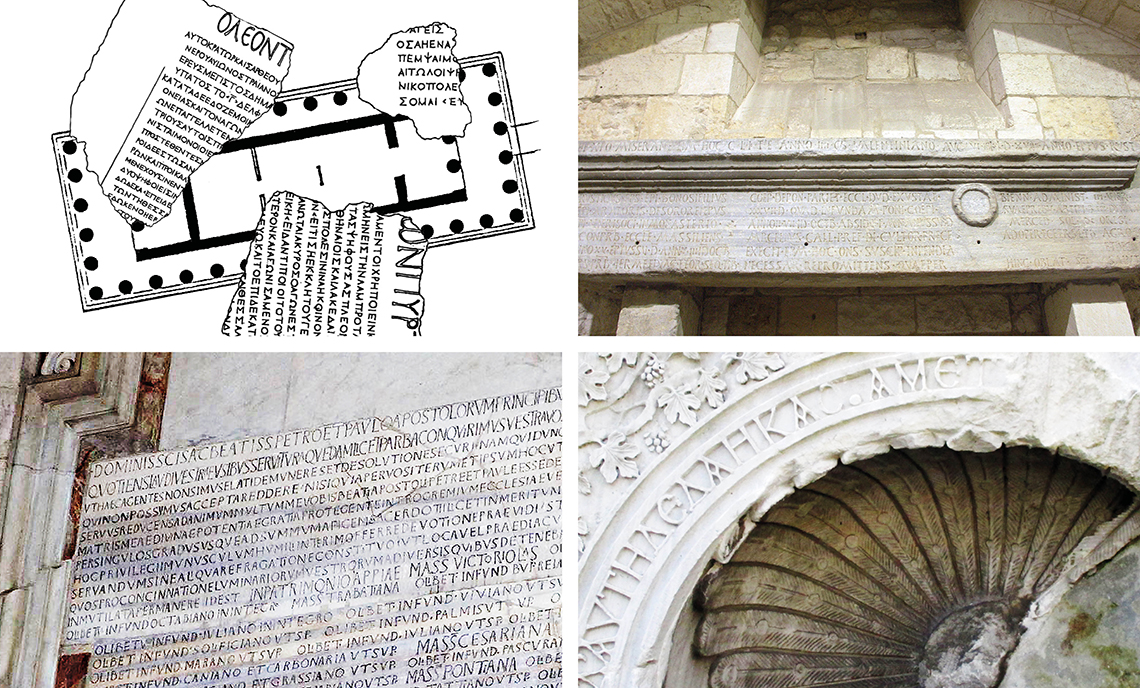
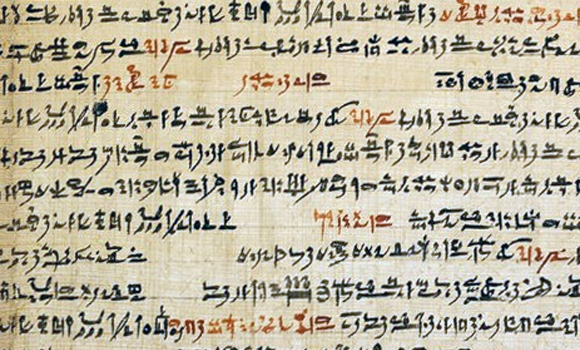
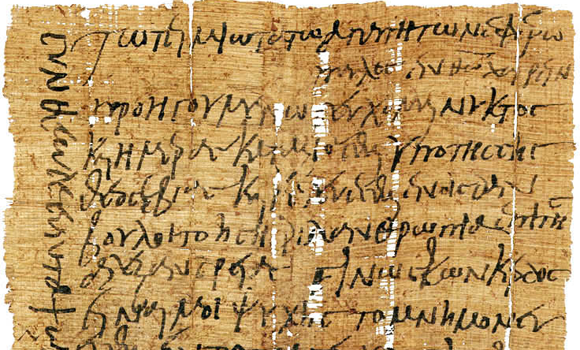 © Institut für Papyrologie, Universität Heidelberg
A02 - Antike Briefe als Kommunikationsmedium (Papyrologie)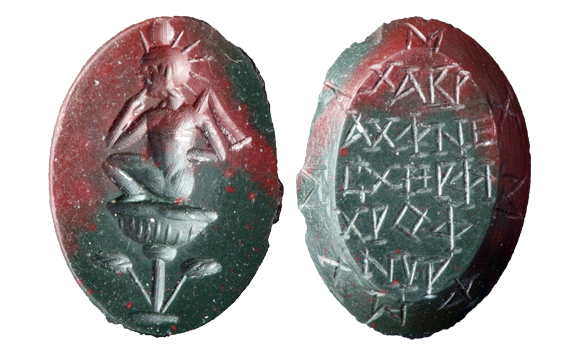
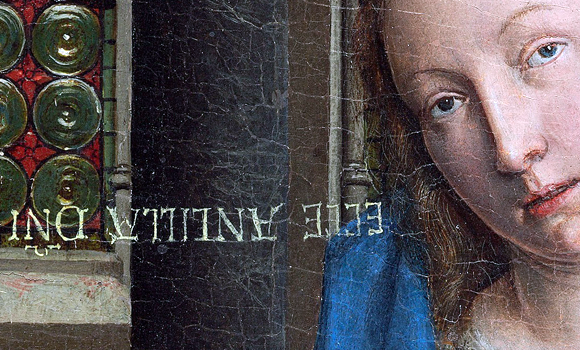
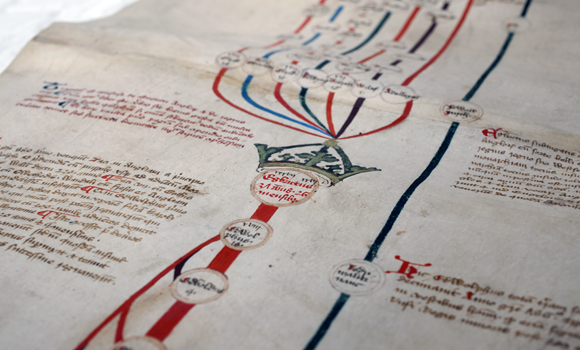
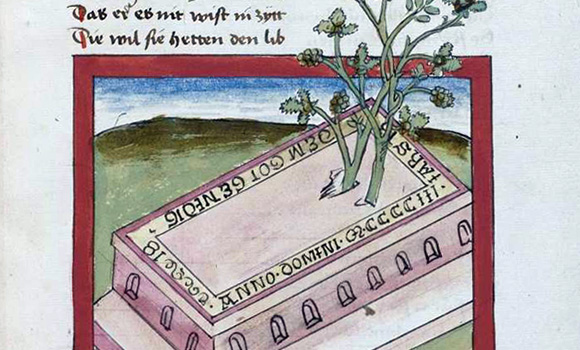
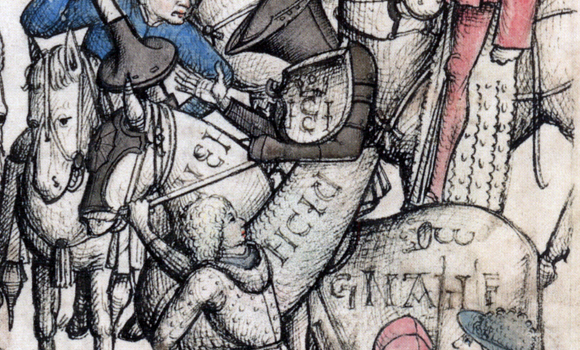
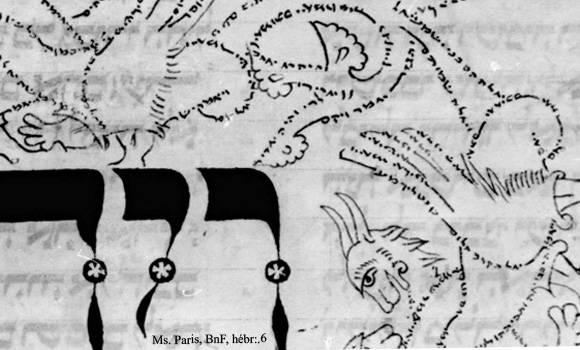 Detail von Ketuvim, Ms. Paris, BnF, hébr. 6 © Bibliothèque nationale de France
B04 - Gelehrtenwissen oder ornamentaler Zierrat? Die Masora der Hebräischen Bibel
in ihren unterschiedlichen materialen Gestaltungen (Bibel und Jüdische Bibelauslegung - HfJS)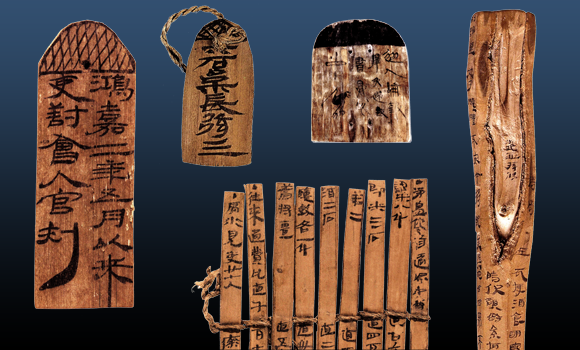
Ende des Sonderforschungsbereichs
Materiale Textkulturen
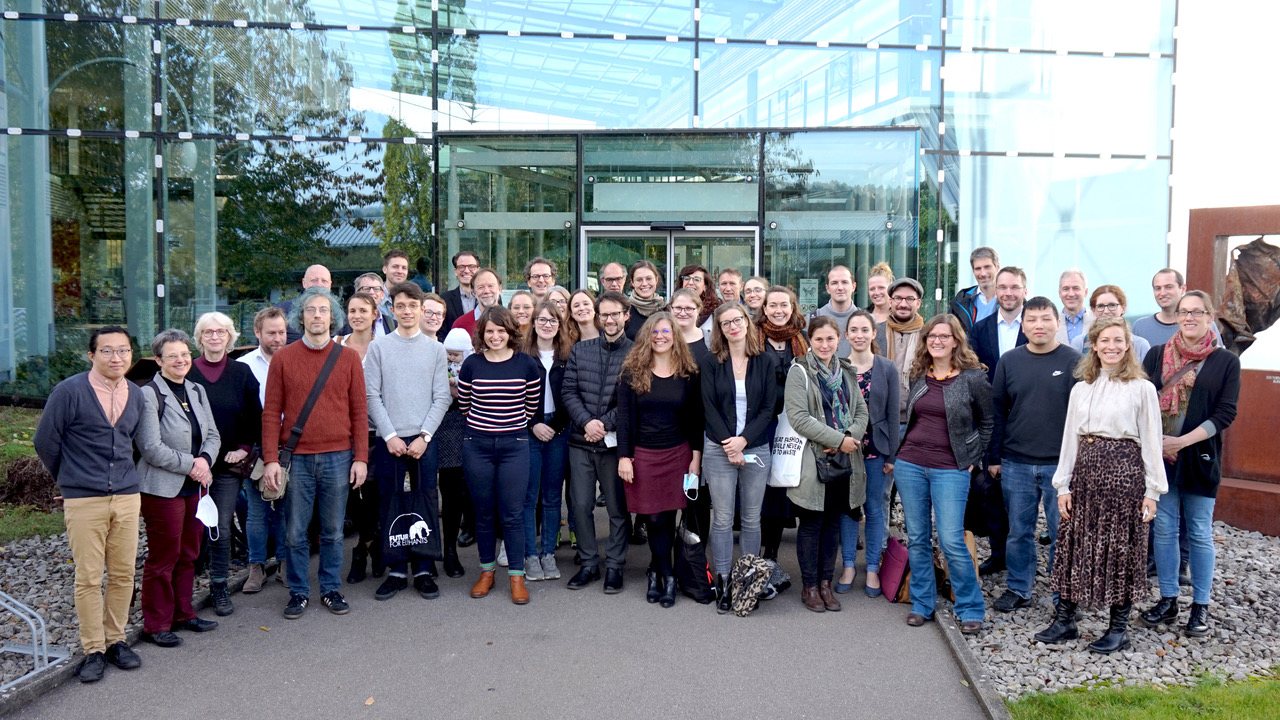
Nach zwölfjähriger Förderung durch die Deutsche Forschungsgemeinschaft (DFG) hat der Sonderforschungsbereich "Materiale Textkulturen" Ende Juni 2023 seine Arbeit beendet.
Mehr als 160 Wissenschaftler:innen aus zahlreichen geisteswissenschaftlichen Disziplinen der Universität Heidelberg und der Hochschule für Jüdische Studien Heidelberg haben in dem Forschungsverbund Texte und Inschriften untersucht, die auf Artefakten – also von Menschen geschaffenen oder veränderten Objekten – zu finden sind. Der Fokus lag dabei auf Artefakten aus vormodernen Kulturen, in denen keine Techniken der massenhaften Reproduktion von Geschriebenem bekannt waren. Insbesondere in den Blick genommen haben die Forscher:innen dabei die Materialität und Präsenz von Inschriften und Handschriften sowie die Praktiken, die an ihnen vollzogen wurden.
In dem abschließend bei De Gruyter erschienenen Handbuch "Theorie und Systematik materialer Textkultur" (hier im open access) präsentieren sie eine Synthese ihrer Arbeiten in 35 Thesen.
Abschlussausstellung des Sonderforschungsbereichs Materiale Textkulturen
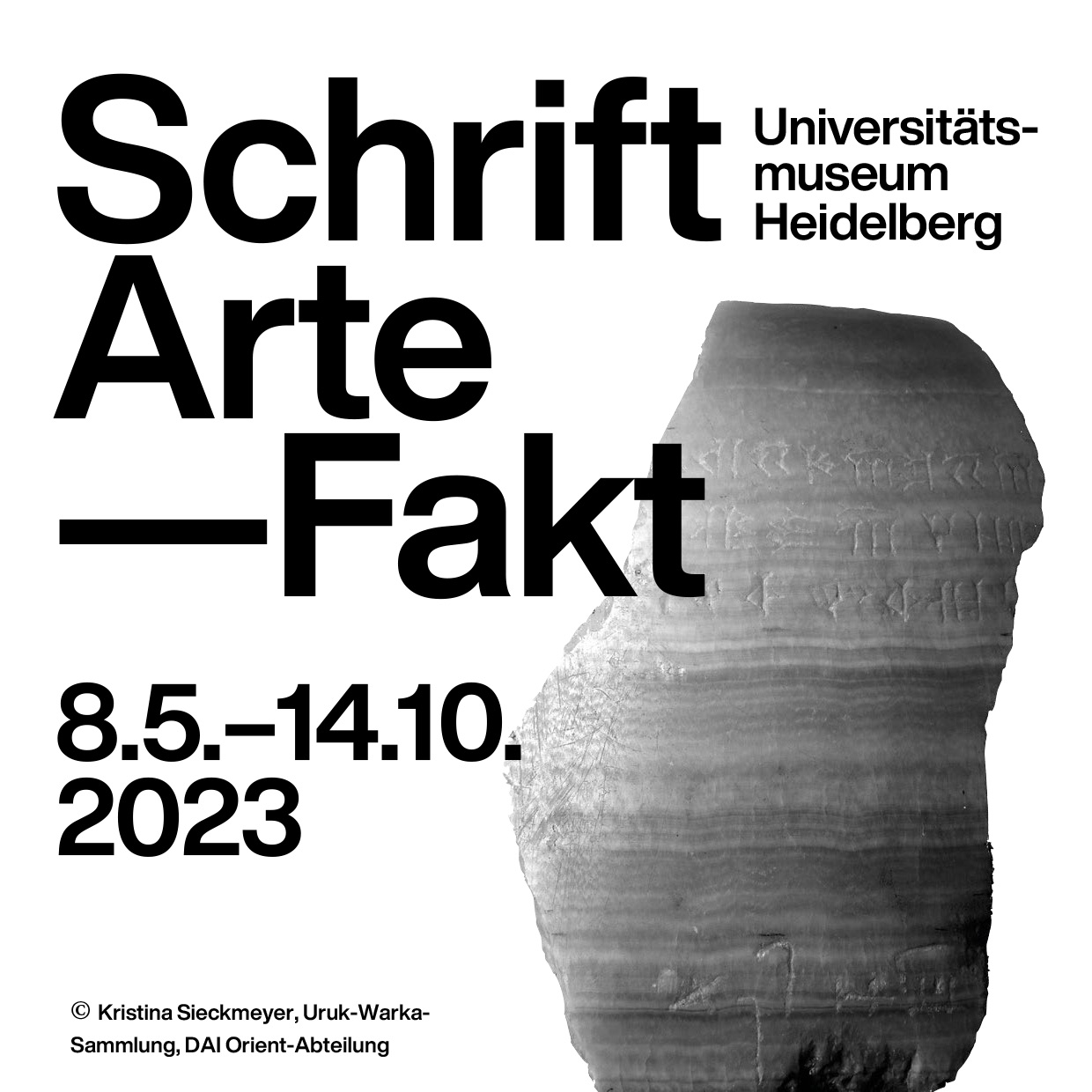
Eine Ära der Forschung zu schrifttragenden Artefakten geht zu Ende. Am 30. Juni 2023 schließt der SFB 933 "Materiale Textkulturen" seine Tore. In seiner Abschlussausstellung "SchriftArteFakt" präsentiert der SFB dreißig Objekte, an denen sich Fragestellungen, zu denen die Wissenschaftler:innen des Forschungsverbunds zwölf Jahre lang gemeinsam gearbeitet haben, exemplarisch zeigen lassen. Die Ausstellung wird bis zum 14. Oktober 2023 im Universitätsmuseum gezeigt.
Aktuelles
The Cult auf Relics – Reliquienkult
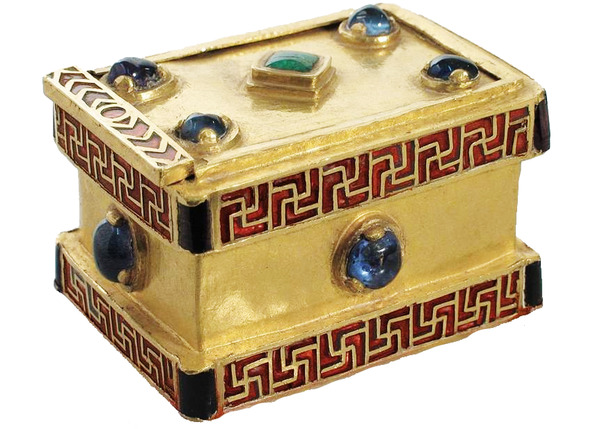 Vom 23. bis 24. März 2023 fand der interdisziplinäre Workshop “The Cult of Relics in the Late Antique and Early Medieval Mediterranean” am SFB 933 statt. An zwei Tagen präsentierten und reflektierten die Teilnehmer:innen den Reliquienkult in der Spätantike und im frühmittelalterlichen Mittelmeerraum. Einen Workshopbericht von Silke Engelhardt finden Sie hier.
To make objects speak – Inscriptions as both things and texts
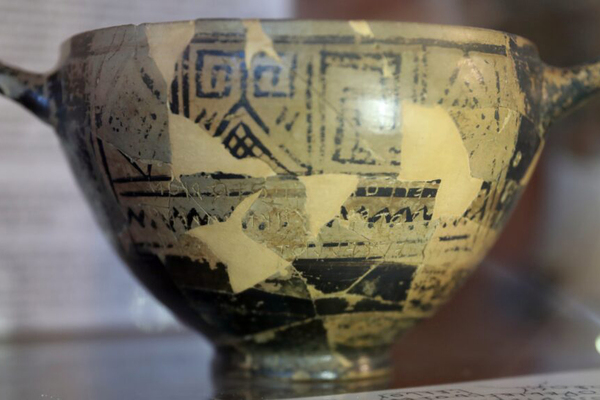 After the Bronze Age collapse of circa 1200 BCE, Greeks forgot how to write. Linear B texts – syllabic script used for writing in Mycenaean Greek – disappeared. Greeks did not learn how to write again until perhaps the eighth century BCE, when, at various places in the Greek world, semitic letters were adopted and adapted to Greek language. The rest, as they say, is history: the Greeks developed or expanded many of the writing genres that are still with us today, from tragedies and comedies to history writing to philosophy. But we do not have evidence for these genres until a couple centuries after writing re-emerged in Greece. So why were these early Greek writing systems initially developed? What did Greeks get from writing? These questions were addressed in a lecture given by Professor James Whitley of Cardiff University in Heidelberg on January 18. Please read the full article by Anna Sitz here.
Sensible Kunst einer breiten Öffentlichkeit zugänglich machen
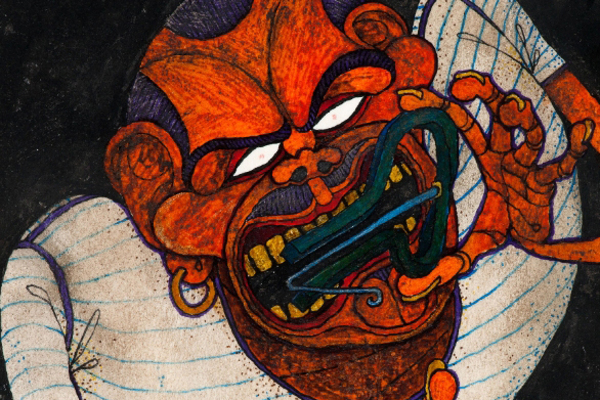 Mit dem Ziel, fundiertes Wissen über sensible Kunst – sogenannte Outsider Art oder auch Art brut – für eine breite Öffentlichkeit verfügbar zu machen, trafen sich im November 2022 Wissenschaftler*innen und Wikipedianer*innen im Museum Sammlung Prinzhorn in Heidelberg. Die ehrenamtlichen Autor*innen der Wikipedia informierten sich über Werke und Kunstschaffende der Sammlung und verfassten neue Beiträge über die Inhalte der Sammlung Prinzhorn für die Online-Enzyklopädie. Initiiert hatte das Treffen das Teilprojekt Ö „Schrifttragende Artefakte in Neuen Medien“ des SFB 933. Den vollständigen Bericht können Sie hier einsehen.
Die Tontafel, die für einen Kaugummi gehalten wurde. Oder: Quittung über eine tote Ente
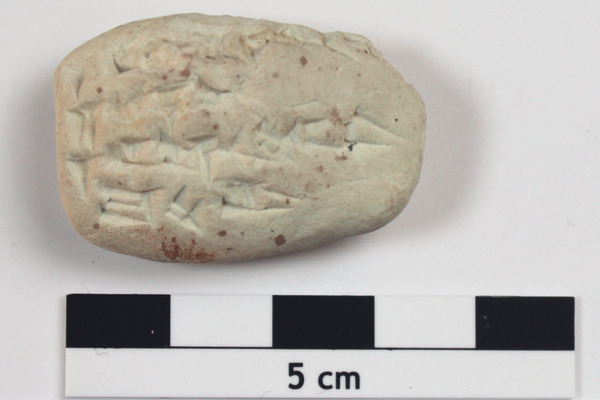 Was haben wir hier vor uns: ein Kaugummi? Nein, es handelt sich um einen Notizzettel aus lang vergangenen Zeiten! In babylonischer Keilschrift steht in den Ton eingedrückt: „Eine tote Ente“. Was mag es mit dieser Botschaft auf sich haben? Emel Demirdizen, wissenschaftliche Mitarbeiterin im Teilprojekt B01 „Materialisierung gedanklicher Ordnung. Darstellungsformen von Gelehrtenwissen auf Tontafeln“ des SFB „Materiale Textkulturen“, hat sich Gedanken zu dieser Frage gemacht und ein mögliches Szenario entworfen. Auf dem SFB-Blog finden Sie die ganze Geschichte.
Tattoo-Fotowettbewerb – Gewinnerinnen stehen fest
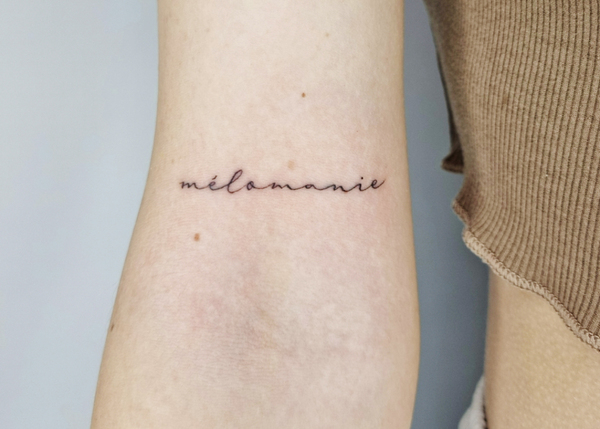 Die Gewinnerinnen des universitätsweiten Foto-Wettbewerbs „Das eigene Tattoo als Ausstellungsobjekt“ stehen fest. Im Oktober hatte das Teilprojekt Ö „Schrifttragende Artefakte in Neuen Medien“ des SFB 933 Angehörige der Universität mit einem Tattoo gesucht, das aus Schriftzeichen besteht oder Schriftzeichen enthält. Sie wurden aufgefordert, ein Foto ihres Tattoos einzureichen. Fotos und Hintergrundinformationen zu den Gewinner-Tattoos können Sie hier auf dem SFB-Blog einsehen.
Kooperation und Innovation im Speyerer Buchdruck – 37. MTK-Band erschienen
 Mit dem bedeutenden mittelalterlichen Druckort Speyer, wo zwischen 1471 und 1500 vier unterschiedliche Druckereien tätig waren, beschäftigt sich ein neu erschienener Band der Reihe „Materiale Textkulturen“ des SFB. Die Studie mit dem Titel „Kooperation und Innovation im Speyerer Buchdruck des ausgehenden Mittelalters“ ist auf den Webseiten des De Gruyter Verlags im open access abrufbar.
ZWEITER BAND IN KEMTE-REIHE ERSCHIENEN
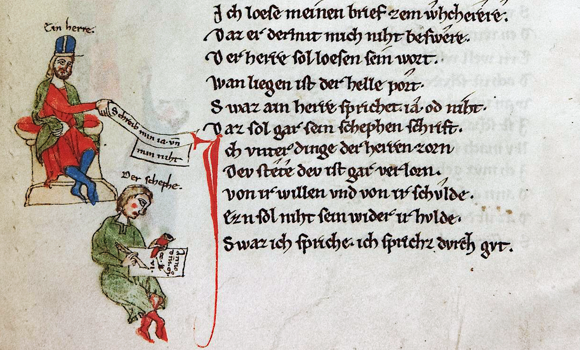
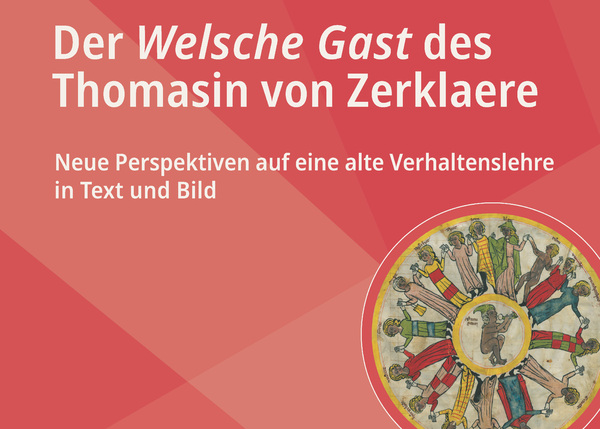 Im Verlag Heidelberg University Publishing ist der zweite Band der KEMTE-Reihe (Kulturelles Erbe: Materialität – Text – Edition) erschienen. Herausgegeben von Christian Schneider (Universität Osnabrück), Peter Schmidt (Universität Hamburg), Jakub Šimek (Universitätsbibliothek Heidelberg) und Lisa Horstmann (Technische Universität Darmstadt) trägt er den Titel „Der ‚Welsche Gast‘ des Thomasin von Zerklaere: Neue Perspektiven auf eine alte Verhaltenslehre in Text und Bild“. Von 2011 bis 2019 leiteten und bearbeiteten die Herausgeber das Projekt Welscher Gast digital im Rahmen des Teilprojekts B06 am SFB. Der vorliegende Band versammelt Studien aus Kunst-, Literatur- und Musikwissenschaft zu den Quellen, der didaktischen Konzeption, der Bildüberlieferung und der Rezeption von Thomasins Werk. Er ist im open access hier abrufbar.
Themenfelder
Der SFB 933 hat seine interdisziplinäre Arbeit über Teilprojektgrenzen hinweg in sieben Themenfeldern organisiert. Ziel war es, die Arbeit an kultur- und zeitübergreifenden Vergleichen zu vertiefen (in den Themenfeldern 1 bis 3) und die Grundlagen einer Theorie materialer Textkulturen und ihrer Methoden weiterzuentwickeln (in den Themenfeldern 4 bis 7). Erschienen ist die Synthese der vergleichenden Studien und der methodisch-theoretischen Grundlagen in dem Handbuch "Theorie und Systematik materialer Textkultur" (bei De Gruyter im open access).
Zum SFB-Blog

Zielsetzung und Leitlinien
Mehr als 160 Forscherinnen und Forscher aus zahlreichen geisteswissenschaftlichen Disziplinen der Universität Heidelberg und der Hochschule für Jüdische Studien Heidelberg haben am SFB „Materiale Textkulturen“ Geschriebenes untersucht, das auf vormodernen Artefakten – also von Menschen geschaffenen Objekten – zu finden ist; etwa Texte auf Säulen, Portalen, Grabsteinen, Tontafeln, Tonscherben, Amuletten, Rollen, auf Papyrus, Pergament, Papier etc.Weiterlesen
Publikationen
MTK-Reihe
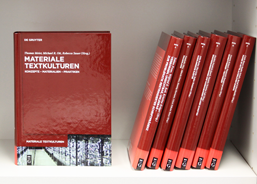
In der MTK-Reihe "Materiale Textkulturen" sind Sammelbände und Monographien erschienen, die sich den zentralen Forschungsschwerpunkten des SFB widmen, also die Materialität und Präsenz des Geschriebenen in non-typographischen Gesellschaften erforschen. Alle Bände sind frei zugänglich und können hier eingesehen werden.
KEMTE
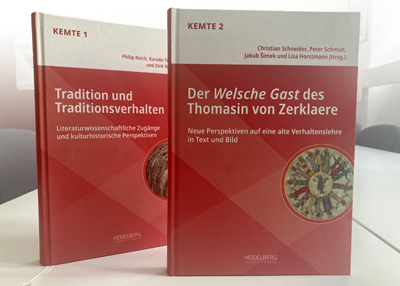
In der Open-Access-Publikationsreihe "Kulturelles Erbe: Materialität – Text – Edition" (KEMTE) veröffentlicht der SFB gemeinsam mit dem Heidelberg Center for Cultural Heritage (HCCH) Forschungsarbeiten zu Themen des kulturellen Erbes und seiner Materialität sowie historisch-kritische Editionen. Die KEMPTE-Reihe bietet die Möglichkeit der Publikation im ‚digitally enhanced eBook'-Format und ist hier abrufbar.
5300 Jahre Schrift
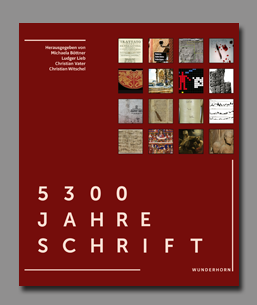
Der im Verlag das Wunderhorn erschienene Band stellt in 50 Beiträgen 50 Schriftträger vor, die so verschieden sind wie ihre Herkunft und ihre Schreiber und Leser – darunter mesopotamische Steuerlisten in Keilschrift, römische Tempelinschriften, altägyptische Totenbücher oder auch Street Art und Hypertext. Die Webseite zum Buchfinden Sie hier.
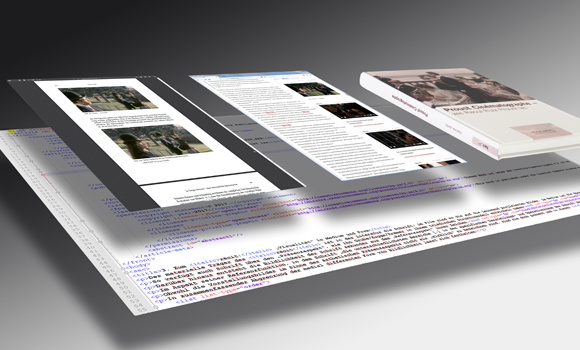
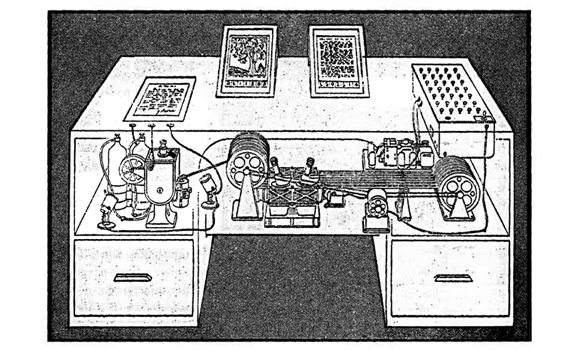
Arbeitsplatz Wissenschaft